Tell Us What You Need →
Home›Produce›Fruits›Mangoes

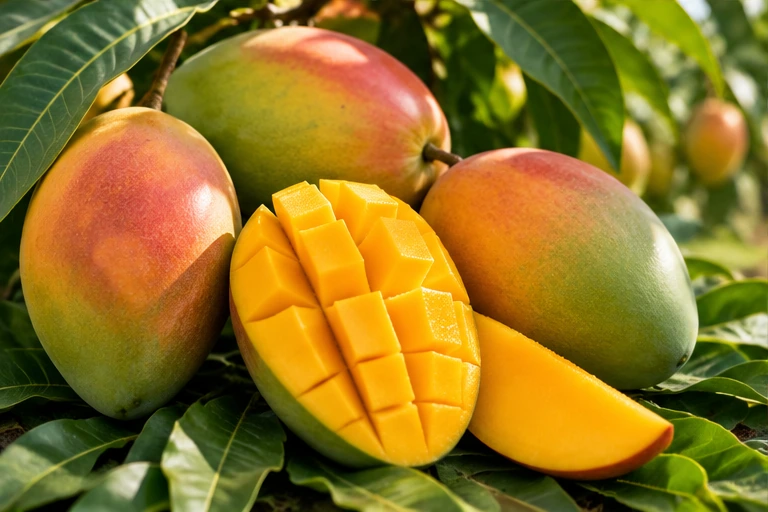
Egyptian Mangoes

Aromatic Egyptian mangoes from established growing areas.

Egypt has a strong mango-growing tradition and a broad range of local and commercial varieties. Summer and autumn production can serve specialist fresh-produce markets seeking flavour-led fruit.

Commercial sourcing Season-led programmes Local supplier network Buyer-led specification
Fresh Egyptian Mangoes

Typical Egyptian Season

Jan
Feb
Mar
Apr
May
Jun
Jul
Aug
Sep
Oct
Nov
Dec
Typical availabilityOutside main window

Indicative availability: August – December. Harvest and export windows can move slightly according to crop year, growing region, variety, buyer specification and destination market.

About Egyptian Mangoes

Mango purchasing is highly variety- and maturity-dependent. Different destination markets may prefer particular colour, fibre characteristics, fruit size, ripeness or eating profile.

For this reason, we do not present Egyptian mango as one uniform commodity. A clear buyer brief allows us to identify varieties and suppliers more suited to the intended market.

  • Multiple Egyptian mango varieties
  • Strong summer-to-autumn season
  • Flavour and maturity are key buying factors
  • Suitable for specialist and mainstream fresh markets
OriginEgypt; exact growing region varies by crop, variety and current programme.
Commercial basisAssessed against specification, volume, destination, compliance and timing.
Typical seasonAugust – December, subject to crop-year confirmation.
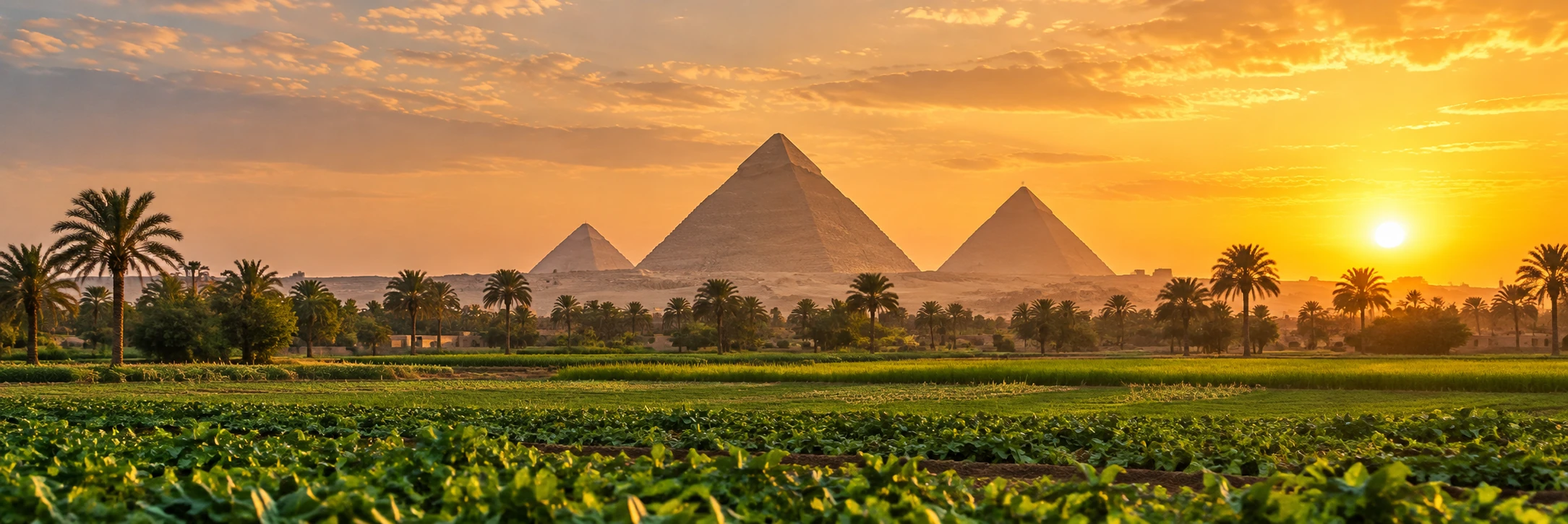
Egyptian agricultural production landscape

Egyptian Produce Sourcing

Commercial guide to Egyptian Mangoes

Useful context for importers, wholesalers, distributors, retailers, foodservice buyers and other organisations assessing mangoes from Egypt.

Commercial context

Egypt has a strong mango culture and produces a broad range of local and commercial varieties, many of which are valued for aroma and flavour rather than for a completely uniform appearance. This creates interesting opportunities for specialist importers, premium wholesalers and ethnic-market distributors, but it also means buyers should understand that Egyptian mangoes are not a single standard product. Fibre content, skin colour, fruit shape, size, fragrance, sweetness and ripening behaviour can vary substantially by variety, and those differences can be an advantage when matched to the right customer.

What buyers should define

A mango enquiry should identify the preferred variety where known, or at least describe the desired eating characteristics and target market. Buyers may need to specify fruit size, maturity stage, acceptable skin colour, firmness, fibre preference, packing and the expected ripening condition at arrival. Transit mode and duration are especially important because mangoes continue to develop after harvest. Fruit packed too mature may soften excessively in transit, while fruit harvested too early can disappoint on flavour. The correct harvest stage therefore needs to match the logistics plan.

Season and programme planning

Egyptian mango production is associated mainly with late summer and autumn, with different varieties appearing in sequence. Ismailia is particularly well known for mango production, while other areas also contribute to the national crop. A buyer interested in one named variety may have a narrower window than a buyer willing to consider several suitable varieties. Programme planning should therefore distinguish between “mango season” generally and the actual season of the specific variety required. This is especially important for repeat orders and promotional retail activity.

How Midori Agriculture can support

Midori Agriculture can help buyers understand which Egyptian mango options are relevant to their customer rather than presenting an undifferentiated list. We can discuss variety, maturity, volume, pack style, destination and transit expectations with local suppliers and help narrow the field to realistic options. For specialist buyers, our ability to communicate locally is particularly useful when the commercial value depends on subtle differences in variety and ripeness. We can also support follow-up as harvest dates move during the season.

Quality & Specification

Commercial fresh produce is specification-led. We start with the buyer’s market and intended use, then assess suppliers against the characteristics that matter for that programme.

  • Variety, type, maturity and intended use
  • Grade, sizing, appearance and defect tolerances
  • Residue, traceability and destination-market requirements
  • Certification and audit requirements where needed
  • Packing, labelling, palletisation and private-label requirements
  • Arrival condition, shelf-life expectations and delivery programme

Sourcing Through Midori Agriculture

We can discuss variety, target maturity, packing, expected volumes and destination before assessing appropriate Egyptian supply.

We translate the commercial requirement into a clear sourcing brief, identify relevant Egyptian supply options and help coordinate discussions, samples, specifications, commercial terms and follow-up.

  • Requirement-led supplier identification
  • Local communication and commercial follow-up
  • Specification and packing coordination
  • Support for trial, seasonal and recurring programmes

Looking for Egyptian Mangoes?

Tell us your quantity, destination, timing and specification and we’ll assess suitable sourcing routes.

Enquire Now →

Who We Supply

Fruit importers, specialist wholesalers, ethnic-market distributors, retail suppliers and foodservice buyers.

Export & Logistics Support

Depending on the engagement, support can include packhouse liaison, specification communication, documentation coordination, shipment planning and delivery follow-up.

Quality & Compliance

Supplier selection can take account of quality, traceability, certification and destination-market requirements. Capabilities are confirmed for the specific supplier and programme.

Commercial Buyer Guide

What to consider when sourcing Mangoes

Practical points to help commercial buyers define a stronger brief before quotations and supplier discussions begin.

Commercial fit

Egyptian mango programmes can cover several varieties with different flavour, colour, fibre, size and ripening behaviour. The right commercial choice depends on whether the buyer is targeting specialist ethnic wholesale, mainstream retail, foodservice or processing demand.

Specification focus

A useful brief should identify acceptable varieties, size or weight band, maturity stage, firmness, external finish, colour expectations where relevant, pack presentation and required arrival condition. Buyers should also clarify whether fruit is expected to ripen in transit, at destination or remain relatively firm for onward distribution.

Handling & arrival quality

Mango is sensitive to maturity and temperature management. Fruit harvested too early or too late can create problems even when it looks acceptable at loading, so the supplier’s harvest and packing discipline should be assessed alongside the physical specification.

Programme planning

Where more than one variety is acceptable, a planned sequence can support a longer Egyptian mango programme. If a buyer needs a specific named variety, the enquiry should be made early enough to assess the true commercial window and volume.

Buying Mangoes from Egypt

Mangoes from Egypt can form part of seasonal or programmed fresh-produce supply for importers, wholesalers, distributors and other commercial buyers. Midori Agriculture supports enquiries by combining the buyer’s requirement with local market knowledge, supplier relationships and practical coordination in Egypt.

Egypt has a strong domestic mango culture and commercial production of a number of varieties with different colour, shape, flavour and ripening characteristics. For export buyers, Egyptian mangoes can offer an appealing late-summer and autumn sourcing opportunity, but the correct variety and maturity stage need to be selected around transit time and the customer’s route to market.

Mango specifications can cover variety, fruit weight, colour, firmness, maturity, skin condition, sap burn tolerance, internal defects and packing. The ideal dispatch maturity differs depending on whether the fruit is travelling by air or sea and how much ripening time is available after arrival. Buyers should therefore define expected transit and ripening conditions as part of the sourcing brief.

Midori Agriculture can help identify Egyptian mango options that fit the intended market and timing, including discussions around variety and commercial maturity. We avoid treating mangoes as one uniform product because the differences between varieties and crop stages are central to successful sourcing.

Midori Agriculture does not treat produce as a fixed retail catalogue. Availability, grade, variety, packing capability and commercial terms are assessed against the buyer’s live requirement and current crop conditions.

Planning around the Egyptian season

The month-by-month calendar is a planning guide rather than a contractual promise. Harvest and export windows move with weather, growing region, variety, crop development, storage capability, market access and destination specifications. Current availability is reconfirmed before commercial commitment.

Frequently asked questions

Can you assess a one-off shipment?

Yes. Trial, one-off and recurring requirements can be assessed where volume, destination and specification are commercially viable.

Can you work to an existing specification?

Yes. Upload a specification, tender or product sheet with the enquiry so grade, packing, certification and destination requirements can be incorporated from the outset.

Do you only source products listed here?

No. The catalogue focuses on important Egyptian crops. Other agricultural requirements can also be submitted for assessment.

Are the seasonal months guaranteed?

No. They are indicative planning windows and are reconfirmed for the crop year, supplier, destination and requested programme.