Tell Us What You Need →
Home›Produce›Fruits›Lemons

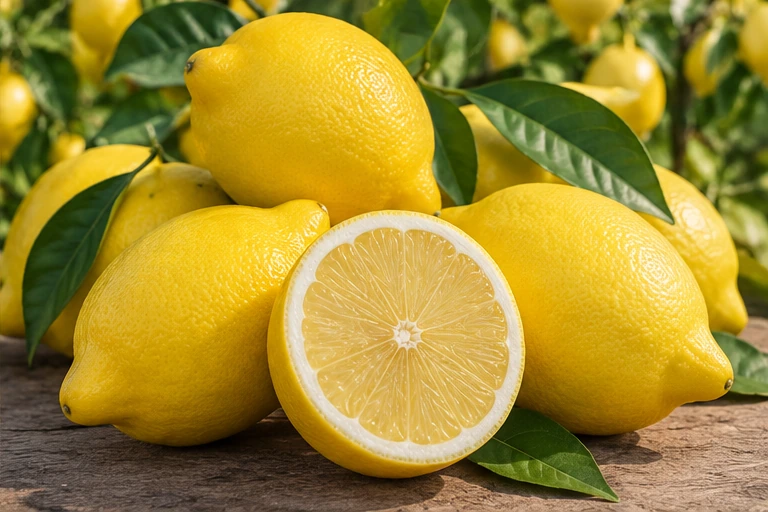
Egyptian Lemons

Bright citrus for fresh, foodservice and processing channels.

Egyptian lemons can provide useful seasonal sourcing opportunities for fresh produce, catering, juice and food-processing markets.

Commercial sourcing Season-led programmes Local supplier network Buyer-led specification
Fresh Egyptian Lemons

Typical Egyptian Season

Jan
Feb
Mar
Apr
May
Jun
Jul
Aug
Sep
Oct
Nov
Dec
Typical availabilityOutside main window

Indicative availability: November – March. Harvest and export windows can move slightly according to crop year, growing region, variety, buyer specification and destination market.

About Egyptian Lemons

Commercial lemon supply can vary by variety and crop cycle. Buyers may prioritise colour, juice content, skin condition, size profile or a specific packing format depending on their intended channel.

Midori Agriculture can help define the commercial brief and identify suitable Egyptian suppliers rather than treating lemons as a single standardised product.

  • Fresh and foodservice applications
  • Potentially broad seasonal window
  • Specification can include juice, colour and appearance
  • Flexible packing discussions subject to supplier capability
OriginEgypt; exact growing region varies by crop, variety and current programme.
Commercial basisAssessed against specification, volume, destination, compliance and timing.
Typical seasonNovember – March, subject to crop-year confirmation.
Egyptian agricultural production landscape

Egyptian Produce Sourcing

Commercial guide to Egyptian Lemons

Useful context for importers, wholesalers, distributors, retailers, foodservice buyers and other organisations assessing lemons from Egypt.

Commercial context

Egyptian lemons can serve fresh retail, wholesale, catering and processing demand, but the ideal product specification differs significantly between those channels. Foodservice buyers may place a high value on juice yield and consistent usable size, while retail programmes may focus more heavily on colour, skin condition and visual uniformity. Processors can have different priorities again. Egypt’s climate allows commercially useful lemon production, but variety, crop timing and post-harvest condition all influence how suitable a lot will be for a particular destination and transit time.

What buyers should define

A lemon brief should normally cover size, colour, rind condition, firmness, juice expectations, maturity, permissible defects, packing format and any certification or residue requirements. Buyers should also think about whether they need a bright yellow retail appearance or can work with greener fruit at certain points in the season. Storage history and transit conditions matter because citrus can continue to change after packing. Clear communication around the intended market allows suppliers to grade fruit appropriately instead of treating every lemon order as the same commodity.

Season and programme planning

The practical commercial window for lemons is influenced by variety, flowering cycle and growing area. While a seasonal calendar is useful for planning, buyers should confirm live availability because size distribution and skin colour can change as the crop progresses. For recurring supply, it is useful to discuss anticipated volume and preferred size mix early, particularly when the destination requires a narrow retail specification. If flexibility exists on colour or counts, that should be stated clearly because it may open additional sourcing options at different points in the season.

How Midori Agriculture can support

Midori Agriculture can support lemon sourcing by translating the end buyer’s requirement into a specification that Egyptian suppliers can respond to clearly. We can help assess whether the opportunity is better suited to fresh retail, wholesale, foodservice or processing routes and identify suppliers whose packing and export capabilities match that route. We can also support local follow-up on timing, crop condition, packing and documentation. This practical coordination is useful where buyers want to avoid repeated misunderstandings over colour, grade or pack presentation.

Quality & Specification

Commercial fresh produce is specification-led. We start with the buyer’s market and intended use, then assess suppliers against the characteristics that matter for that programme.

  • Variety, type, maturity and intended use
  • Grade, sizing, appearance and defect tolerances
  • Residue, traceability and destination-market requirements
  • Certification and audit requirements where needed
  • Packing, labelling, palletisation and private-label requirements
  • Arrival condition, shelf-life expectations and delivery programme

Sourcing Through Midori Agriculture

We assess product, quantity, timing and destination before matching the enquiry with suitable supply options.

We translate the commercial requirement into a clear sourcing brief, identify relevant Egyptian supply options and help coordinate discussions, samples, specifications, commercial terms and follow-up.

  • Requirement-led supplier identification
  • Local communication and commercial follow-up
  • Specification and packing coordination
  • Support for trial, seasonal and recurring programmes

Looking for Egyptian Lemons?

Tell us your quantity, destination, timing and specification and we’ll assess suitable sourcing routes.

Enquire Now →

Who We Supply

Produce importers, wholesalers, foodservice suppliers, processors and catering distributors.

Export & Logistics Support

Depending on the engagement, support can include packhouse liaison, specification communication, documentation coordination, shipment planning and delivery follow-up.

Quality & Compliance

Supplier selection can take account of quality, traceability, certification and destination-market requirements. Capabilities are confirmed for the specific supplier and programme.

Commercial Buyer Guide

What to consider when sourcing Lemons

Practical points to help commercial buyers define a stronger brief before quotations and supplier discussions begin.

Commercial fit

Egyptian lemons can be considered for wholesale, retail, foodservice and processing demand. The preferred product can differ by market: some buyers prioritise bright external colour and uniform size, while others focus more heavily on juice yield, acidity profile and commercial value.

Specification focus

The brief should state preferred size, colour stage, rind finish, firmness, juice expectations, seed tolerance where relevant, packing format and destination requirements. Buyers should also specify whether the product is intended for fresh display, foodservice use or processing because the acceptable specification may differ.

Handling & arrival quality

Lemons require sound fruit selection and careful packhouse handling to minimise rind damage and deterioration. Packing, temperature management and transit planning should be discussed around the expected journey and arrival condition rather than treated as an afterthought.

Programme planning

For recurring supply, it is useful to define acceptable size bands and colour tolerances across the season. That gives sourcing partners more room to maintain continuity while keeping the commercial specification clear.

Buying Lemons from Egypt

Lemons from Egypt can form part of seasonal or programmed fresh-produce supply for importers, wholesalers, distributors and other commercial buyers. Midori Agriculture supports enquiries by combining the buyer’s requirement with local market knowledge, supplier relationships and practical coordination in Egypt.

Egyptian lemons can support wholesale, foodservice, retail and processing demand, with the country’s warm climate allowing commercially useful citrus windows outside some competing origins. Buyers may source lemons for fresh presentation, catering use, juice, processing or mixed citrus programmes, and each route places different emphasis on appearance and internal quality.

A commercial lemon specification may cover variety, colour stage, diameter or count, juice content, rind thickness, firmness, surface marks, seed tolerance and pack format. For foodservice or processing, juice yield and usable condition may matter more than cosmetic perfection, while retail programmes can demand tighter colour and skin standards.

Midori Agriculture can help assess current Egyptian lemon availability and match the requirement to an appropriate supply route. We encourage buyers to state the intended use, destination and preferred maturity so the sourcing brief reflects what matters commercially rather than relying on a single generic grade.

Midori Agriculture does not treat produce as a fixed retail catalogue. Availability, grade, variety, packing capability and commercial terms are assessed against the buyer’s live requirement and current crop conditions.

Planning around the Egyptian season

The month-by-month calendar is a planning guide rather than a contractual promise. Harvest and export windows move with weather, growing region, variety, crop development, storage capability, market access and destination specifications. Current availability is reconfirmed before commercial commitment.

Frequently asked questions

Can you assess a one-off shipment?

Yes. Trial, one-off and recurring requirements can be assessed where volume, destination and specification are commercially viable.

Can you work to an existing specification?

Yes. Upload a specification, tender or product sheet with the enquiry so grade, packing, certification and destination requirements can be incorporated from the outset.

Do you only source products listed here?

No. The catalogue focuses on important Egyptian crops. Other agricultural requirements can also be submitted for assessment.

Are the seasonal months guaranteed?

No. They are indicative planning windows and are reconfirmed for the crop year, supplier, destination and requested programme.