Tell Us What You Need →
Home›Produce›Vegetables›Sweet Potatoes

Egyptian Sweet Potatoes

A growing Egyptian export line for retail and wholesale markets.

Egyptian sweet potatoes have developed a stronger presence in international fresh-produce supply chains and can support extended seasonal programmes.

Commercial sourcing Season-led programmes Local supplier network Buyer-led specification
Egyptian Sweet Potatoes

Typical Egyptian Season

Jan
Feb
Mar
Apr
May
Jun
Jul
Aug
Sep
Oct
Nov
Dec
Typical availabilityOutside main window

Indicative availability: August – March. Harvest and export windows can move slightly according to crop year, growing region, variety, buyer specification and destination market.

About Egyptian Sweet Potatoes

Commercial requirements often include variety, skin colour, flesh type, curing, size distribution, cleanliness, packing and shelf-life expectations.

As with potatoes, market requirements vary considerably, so sourcing is most effective when the buyer provides a detailed specification.

  • Extended commercial window
  • Growing international demand
  • Suitable for retail, wholesale and foodservice
  • Variety, curing and presentation matter
OriginEgypt; exact growing region varies by crop, variety and current programme.
Commercial basisAssessed against specification, volume, destination, compliance and timing.
Typical seasonAugust – March, subject to crop-year confirmation.
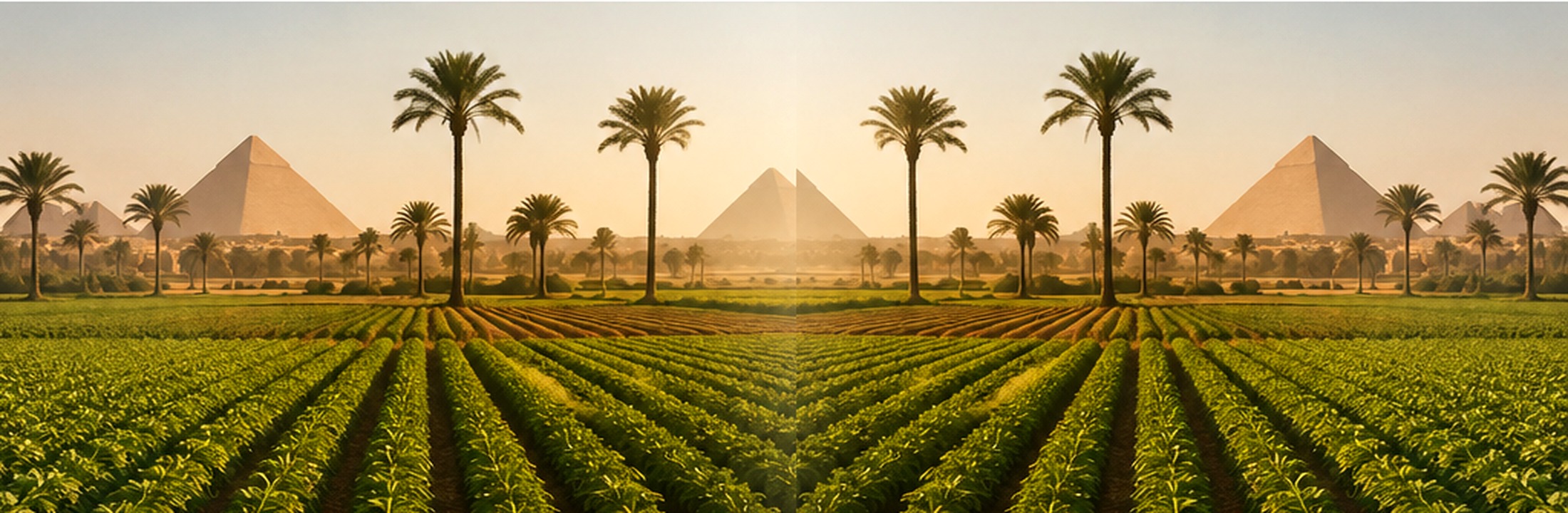
Agricultural production in Egypt

Quality & Specification

Commercial fresh produce is specification-led. We start with the buyer’s market and intended use, then assess suppliers against the characteristics that matter for that programme.

  • Variety, type, maturity and intended use
  • Grade, sizing, appearance and defect tolerances
  • Residue, traceability and destination-market requirements
  • Certification and audit requirements where needed
  • Packing, labelling, palletisation and private-label requirements
  • Arrival condition, shelf-life expectations and delivery programme

Sourcing Through Midori Agriculture

We can support supplier identification and programme discussions based on variety, size, packing, volume and destination.

We translate the commercial requirement into a clear sourcing brief, identify relevant Egyptian supply options and help coordinate discussions, samples, specifications, commercial terms and follow-up.

  • Requirement-led supplier identification
  • Local communication and commercial follow-up
  • Specification and packing coordination
  • Support for trial, seasonal and recurring programmes

Looking for Egyptian Sweet Potatoes?

Tell us your quantity, destination, timing and specification and we’ll assess suitable sourcing routes.

Enquire Now →

Who We Supply

Importers, wholesalers, retailers, foodservice distributors and fresh-produce specialists.

Export & Logistics Support

Depending on the engagement, support can include packhouse liaison, specification communication, documentation coordination, shipment planning and delivery follow-up.

Quality & Compliance

Supplier selection can take account of quality, traceability, certification and destination-market requirements. Capabilities are confirmed for the specific supplier and programme.

Commercial Buyer Guide

What to consider when sourcing Sweet Potatoes

Practical points to help commercial buyers define a stronger brief before quotations and supplier discussions begin.

Commercial fit

Egyptian sweet potatoes have become a useful export line for fresh retail, wholesale, foodservice and processing. Variety, skin colour, flesh colour, shape and curing condition can all affect market suitability, so the buyer’s intended use should be clear.

Specification focus

Commercial requirements can include variety, size or weight band, shape, skin finish, flesh colour, damage tolerance, cleanliness, packaging and labelling. Retail buyers may prioritise uniform shape and appearance, while processors can place greater emphasis on internal characteristics and usable yield.

Handling & arrival quality

Correct curing and handling help protect skin condition and storage performance. Rough handling can create abrasions that become more visible during transit, so the post-harvest process should be considered when evaluating a supplier.

Programme planning

Seasonal sourcing can involve both newly harvested and stored product. Buyers should state their required arrival period and intended shelf life so the most appropriate source and handling programme can be assessed.

Buying Sweet Potatoes from Egypt

Sweet Potatoes from Egypt can form part of seasonal or programmed fresh-produce supply for importers, wholesalers, distributors and other commercial buyers. Midori Agriculture supports enquiries by combining the buyer’s requirement with local market knowledge, supplier relationships and practical coordination in Egypt.

Midori Agriculture does not treat produce as a fixed retail catalogue. Availability, grade, variety, packing capability and commercial terms are assessed against the buyer’s live requirement and current crop conditions.

Planning around the Egyptian season

The month-by-month calendar is a planning guide rather than a contractual promise. Harvest and export windows move with weather, growing region, variety, crop development, storage capability, market access and destination specifications. Current availability is reconfirmed before commercial commitment.

Frequently asked questions

Can you assess a one-off shipment?

Yes. Trial, one-off and recurring requirements can be assessed where volume, destination and specification are commercially viable.

Can you work to an existing specification?

Yes. Upload a specification, tender or product sheet with the enquiry so grade, packing, certification and destination requirements can be incorporated from the outset.

Do you only source products listed here?

No. The catalogue focuses on important Egyptian crops. Other agricultural requirements can also be submitted for assessment.

Are the seasonal months guaranteed?

No. They are indicative planning windows and are reconfirmed for the crop year, supplier, destination and requested programme.